Transform how your teams work and deliver under pressure
Turn everyday interactions into purposeful collective action.
When everything accelerates, performance does not depend on processes alone.
It also depends on how people interact, align and act together when conditions become uncertain or demanding.
These team development experiences help teams make their dynamics visible, experiment with more purposeful ways of contributing and learn from what changes in practice.
By expanding the ways people can respond together, teams develop greater robustness: the capacity to remain connected, adapt and keep acting when their usual ways of working are no longer enough.
What you might be experiencing
You invest in training and create processes… and yet:
- teams struggle to stay aligned in fast-moving situations,
- collaboration becomes reactive rather than intentional,
- responsibility is carried by a few individuals rather than shared,
- meetings happen, but little really shifts,
- difficult conversations are postponed or avoided,
- the same tensions and misunderstandings keep returning.
Over time, trust weakens and collective performance becomes harder to sustain.
What your team members may be saying
“We keep coming back to the same problems.”
“We talk a lot, but nothing really changes.”
“I’m not always sure what has actually been decided.”
“Some things are difficult to say in this team.”
“We work well individually, but not always collectively.”
“I wish we could understand each other better.”
Do these situations sound familiar?
It may be a sign that the quality of interactions needs attention
Processes provide structure. But what happens between people shapes what the organisation can actually achieve.
Under pressure, teams often return to familiar patterns.
Some people push harder. Others withdraw. Differences become more difficult to use. Communication loses clarity and action depends on the same few individuals.
The problem is not simply knowing what good collaboration should look like.
It is being able to notice what is happening and respond differently when the usual way of working is no longer enough.
What you would like instead
- clearer and more constructive communication,
- stronger alignment in day-to-day work,
- better use of different perspectives,
- greater shared responsibility,
- more focused meetings and decisions,
- a team able to adapt and act together under pressure.
Not teamwork as a concept, but something teams can experience, adjust and learn from in practice.
Let’s create more purposeful team dynamics.
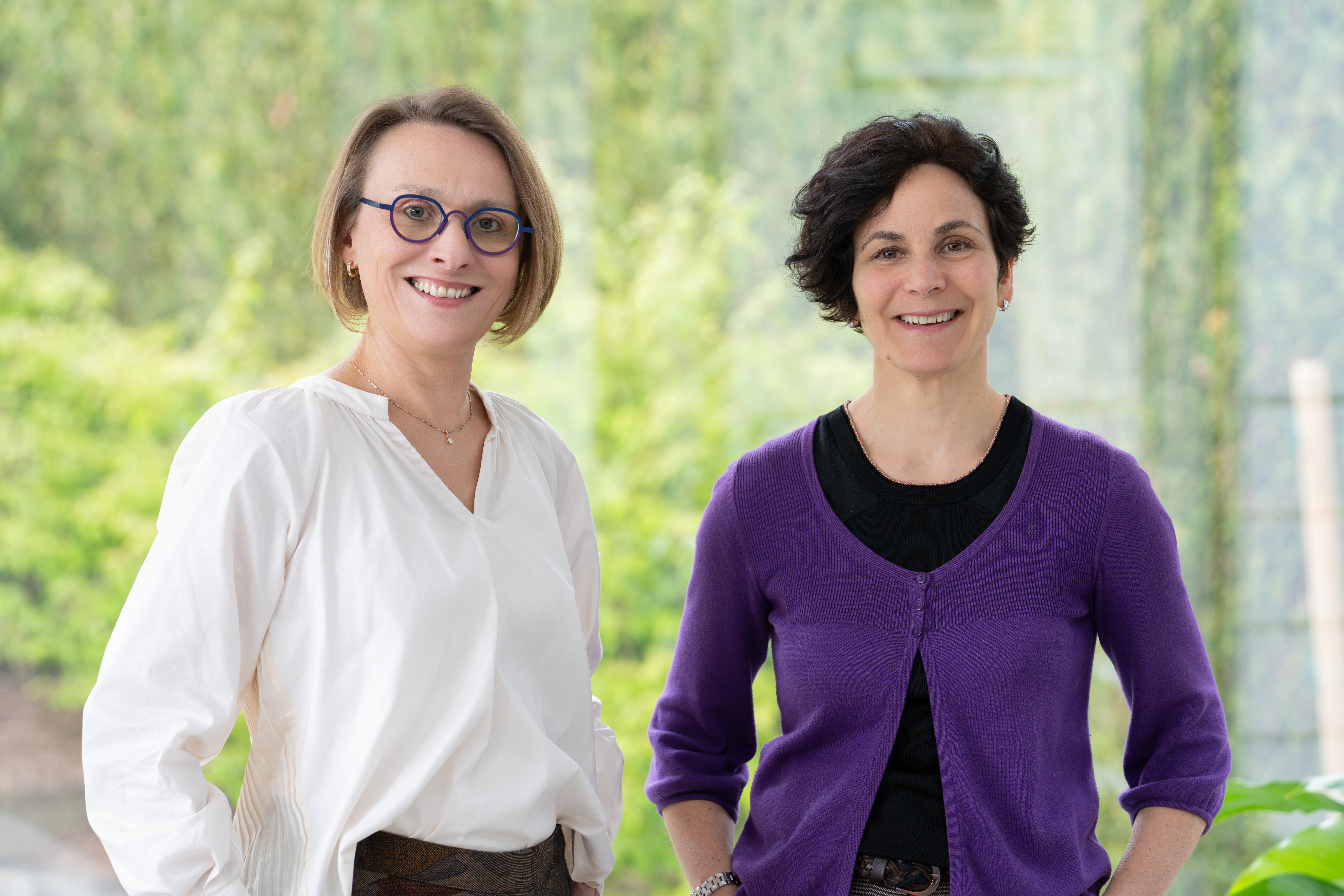
My name is Sophie. I work with teams and leaders, using their real-life situations to improve how they communicate, collaborate and act together.
The experience starts with INTERACTIONS®, a card-based approach that creates an accessible and energising entry point.
Through shared challenges, team members connect, participate and experience different ways of contributing. These low-risk practice situations make team dynamics easier to observe without immediately exposing sensitive workplace issues.
The team begins to develop a shared language around four useful forms of contribution: Challenge, Support, Clarify and Mobilise. These are not personality labels. They are contributions that everyone can learn to use when the situation requires them.
Purposeful Dynamics™ then connects this shared experience to the team’s real work.
Together, participants identify a recurring pattern, notice how each person may contribute to it and experiment with small, purposeful shifts. They then observe what changes, what remains difficult and what the team can learn from the experience.
The aim is not to define who people are. It is to expand the ways in which they can respond together and develop greater collective robustness.
A progressive team development experience
These team experiences are built on a guided, experiential approach grounded in real work situations.
They unfold in three simple phases:
1. Engage
A simple, card-based experience creates an accessible, energising and low-risk entry point where everyone can participate.
2. Connect
The experience links directly to real situations at work, allowing the team to identify recurring patterns and explore how people contribute to them.
3. Sustain
Team members experiment with purposeful shifts, observe what changes and integrate what proves useful into their daily work.
Teams don’t just talk about collaboration. They experience it, reflect on it and adjust it in practice.
A session typically enables teams to:
- make team dynamics visible,
- understand how interactions affect collective performance,
- work with situations they actually face,
- shift from reactive behaviours towards more intentional responses,
- leave with a concrete change to test in their daily work.
Formats
- Team-building experiences: strengthen connection while discovering how the team interacts and contributes together.
- Team development sessions: explore a real team dynamic and experiment with more purposeful ways of responding.
- Learning journeys: test, study and anchor more purposeful and robust ways of working together over time.
More than a one-off workshop
A session creates awareness and initiates a first practical shift.
The shared language and practices allow teams to continue learning from what happens in meetings, one-to-ones and other key moments where alignment and clarity matter.
They offer a simple way to:
- name what is happening,
- identify what the team needs,
- invite a missing contribution,
- choose a more useful response,
- turn everyday experience into collective learning.
Who it is for
- Managers and team leaders.
- HR and L&D professionals.
- Teams facing pressure, change or complexity.
No prior preparation needed.
Teams work on their real situations.
Every team is different
Let’s take the time to understand your context, the patterns you would like to change and what you want to make possible together.
Let’s explore what could shift.
Create healthier interactions, stronger collective dynamics and a more robust capacity to navigate pressure and change together.